

What we carry.
What we transform.
from story · myth · memory · roots
Explore the Gallery →

Across time, we have found ways to leave evidence of ourselves — in images and objects, in stories, symbols, ritual, pattern, and the things made by hand.
I am interested in that impulse to make meaning: to say who we are, to remember who we have been, and to imagine who we might still become. My work grows from that space between memory and becoming.
I draw, paint, print, collage, stitch, quilt, bead, layer, and construct — and what interests me is the translation: what is preserved, what changes, and what a new material allows a story to say.
History remains with us. It does not have to hold us still.
Read the full statement →
We Are Each Other's Harvest — after Gwendolyn Brooks
Creating spaces where you remember
you were always allowed to make things.
Choose a door.
the doors are ajar — come closer
The Harvest Portraits
Movement I — opening series

Harvest Portrait I

Harvest Portrait II

Harvest Portrait III

Harvest Portrait IV
We Are Each
Other's Harvest
after Gwendolyn Brooks
The new work begins with a line from Gwendolyn Brooks — we are each other's harvest — and asks what it means to gather and be gathered.
This is a body of work in movements. It braids the things I have been delving into for years: biblical parable, African and diaspora folklore, and my own family's memory — the stories told at tables, on porches, in the quiet after. Figures bend to the field. Women sit in profile, at rest, unhurried. Elders settle beneath white trees while the spider — the old storyteller — keeps watch from the web. Every harvest needs a griot. Someone has to remember where the seeds came from.
The opening movements are here: the Harvest portraits and the Storytellers. What I'm exploring next is craft itself — the traditions, old and new, that have always carried our stories when no one else would: the quilt, the stitch, the bead, the thread. Embroidered processions of families walking together through gardens. Community, rendered in the very materials our hands have always known. Because craft was never just decoration. It was how we wrote things down.
The work carries what I know: that joy is not the absence of history. It is what we grow in spite of it, and because of it.
The Storytellers, in cloth
An image that began as drawing and print, now quilted — work in progress
From the studio
Work in progress — in motion
The next movement — story, carried in thread.

The procession, hand in hand

A garden that walks with us

Community, in every stitch
Whimsy you can
carry with you
Illustrated goods from my design studio — totes, travel bags, journals, and prints built from the same hand that makes the paintings. New pieces land often; these are the latest.

Heritage Travel
African Tribal Pattern Suitcase
From $168.97 $225.30
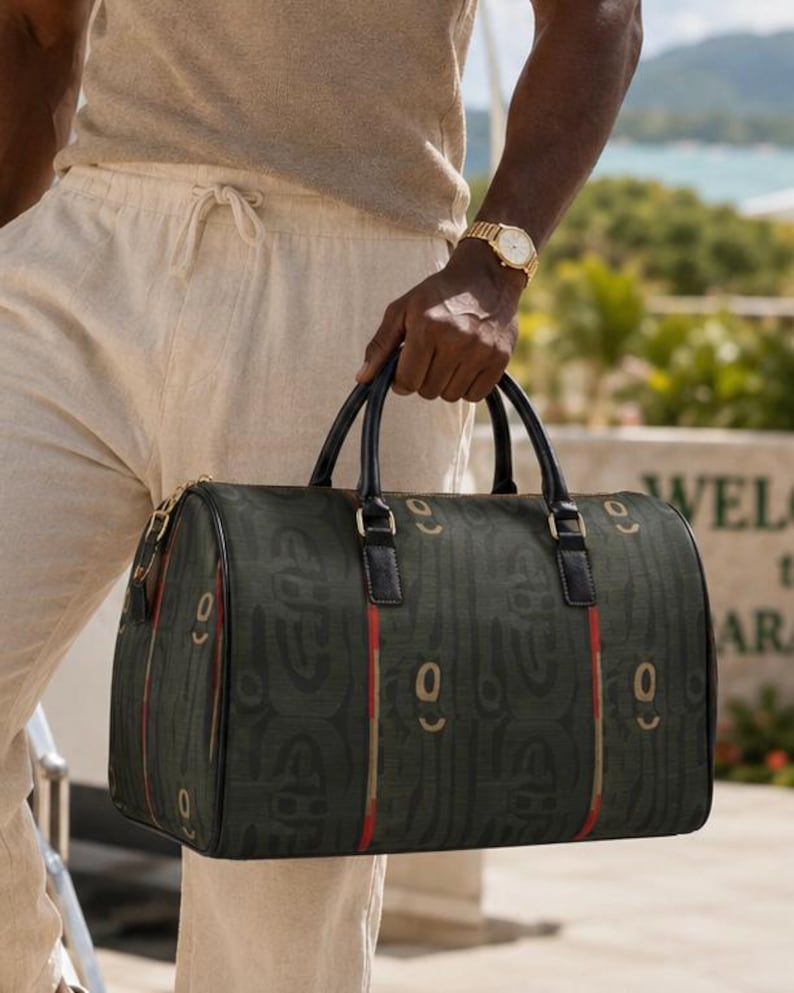
Heritage Travel
Faux Leather Weekender Duffle
From $70.12 $93.50
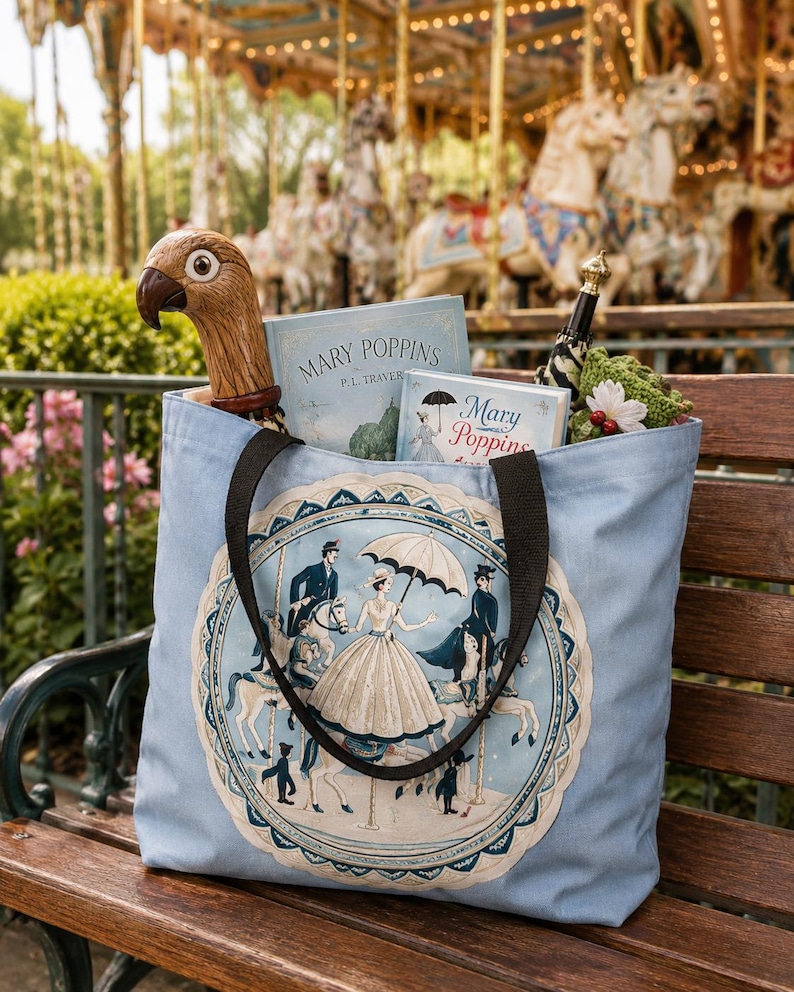
Storybook Series
Carousel Faux-Embroidered Tote
From $17.99 $23.99
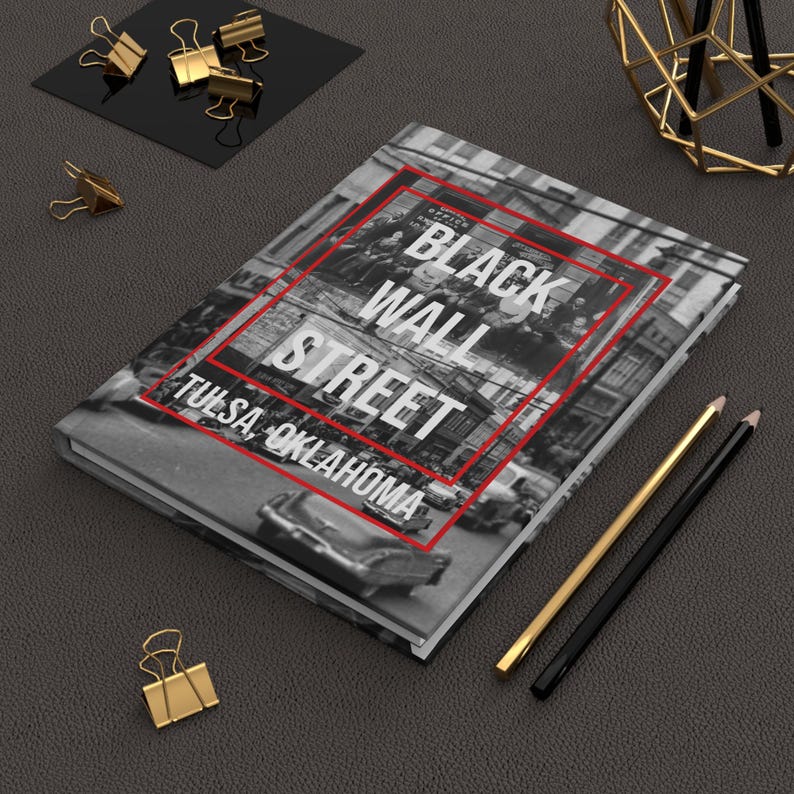
Cultural Works
Black Wall Street Hardcover Journal
From $15.69 $20.92
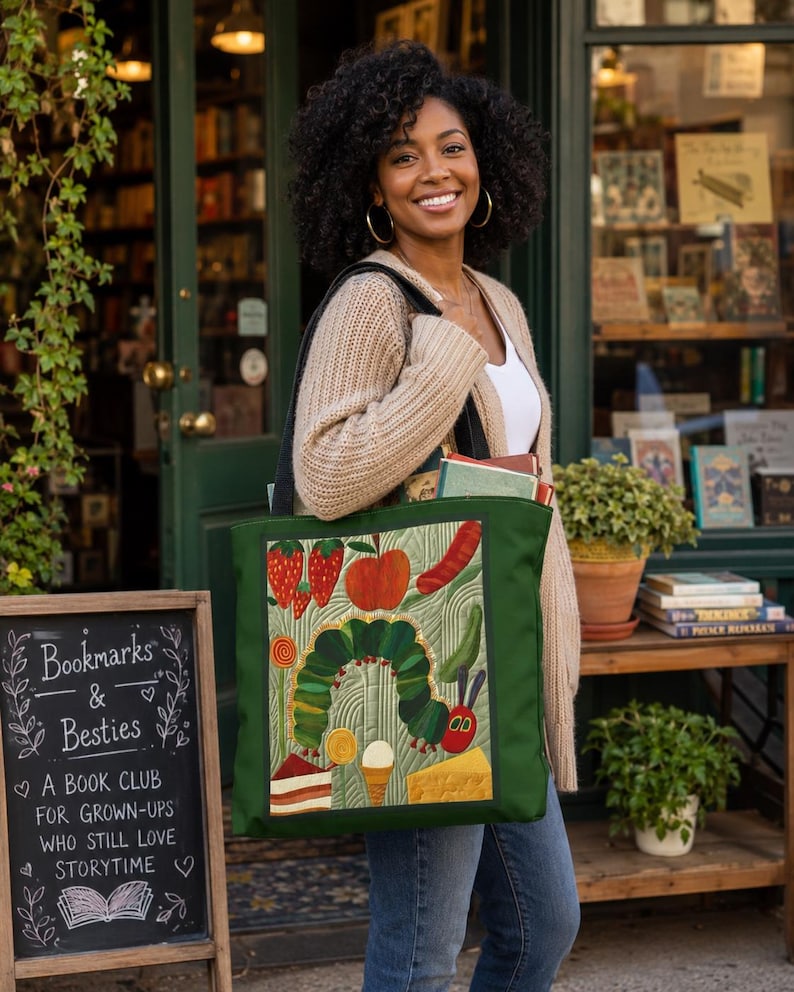
Storybook Series
Hungry Caterpillar Story Book Tote
From $19.75 $26.33
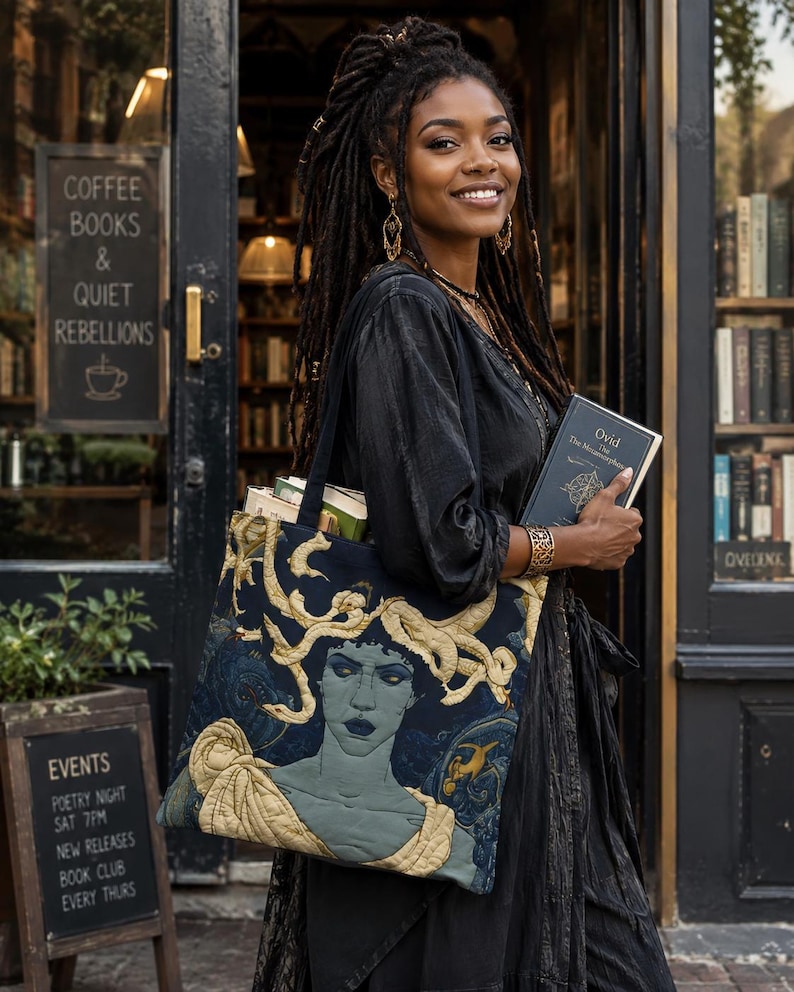
Mythologies
Medusa Portrait Tote
From $19.75 $26.33
Every design can be adjusted to different sizes and preferences — just ask.
"I create spaces where you remember
you were always allowed to make things."
For over 20 years I've created spaces — in classrooms, studios, and community rooms — where adults and children remember that creativity was never something they lost. They just needed someone to clear the path. No limits. No hesitation. No asking permission to begin.
Anita R. Nixon
Educator · Artist · Instructional Designer · Curriculum Developer
20+ years teaching Fine Art & Photography to adults and children
Selected Exhibitions
Invited Artist
MLK Performing Arts Center · Charlottesville, Virginia
Selected works: Momma; As You Were: Women at Rest; Computer Love; Technicolor Bomb; Electric Company: 11,12; American Cotton, Part II
Teeny Tiny Trifecta
Second Street Gallery · Charlottesville, Virginia
Group exhibition · Opening September 4
Black Girl Art Show
Atlanta, Georgia · Featured artist
The Lips Series
Studio Art Alumni Exhibition
University of Virginia · Charlottesville, Virginia
Group exhibition
Group Exhibition
McGuffey Art Center · Charlottesville, Virginia
Collaborative exquisite corpse project with member artists
Selected Collections
Works held in private collections across the United States.
Publications & Illustration
Whispers of Lullabies: A Pillow’s Tale of Brave Dreams
Written and illustrated · Midnight Light Inc.
Picture book · Available in paperback and Kindle
30 Minutes to London
Dr. Alecia R. Jones and contributing authors · Illustrator
Anthology · eBook August 31, paperback September 14
Studio Days: Making Art Magic with Ms. Anita
Written and illustrated · Midnight Light Inc.
First in the Studio Days series · Celebrating Alma Thomas · studiodayswithanita.com
You Can Always Come Home to Winneba
Dr. Abigail Amoako Kayser & Dr. Brian Kayser · Illustrator
Picture book
Last Night I Swam With Swans
Written and illustrated · Midnight Light Inc.
Picture book
Runnin’: A Green Door Tale
Written · Midnight Light Inc.
Novel · Fiction for adult readers
Education & Advanced Credentials
Double B.A.
Art History & Studio Art
Studio concentration in sculpture, paired with the history of art — the two halves that still run through the work: building things, and knowing what came before.
Post-Baccalaureate
Teaching Certification
Licensure in visual arts education, PreK–12.
Museum Studies
Advanced coursework in museum education, human-centered design, community engagement, and the development of meaningful visitor experiences in cultural institutions.
Master's Certificate
Learning Design & Technology
Specialized in developing and implementing cutting-edge, technology-enhanced instructional practices for diverse educational environments.
Professional Qualifications
Visual Arts & Photography Education
Over 20 years teaching fine art and photography to adults and children across public and private educational settings. Curriculum development, studio instruction, and creative mentorship that meets students exactly where they are — and gives them permission to go further.
Educational Technology
More than 15 years integrating educational technologies into the design and delivery of training across various educational levels — ensuring effective and engaging learning experiences.
Adult Learning & Development
Adopted and integrated new technologies into library learning structures, converting media into accessible public databases.
Led professional development training for claims adjusters within learning platforms.
Developed and delivered professional development courses for peer educators in arts education.
Instructional Coaching
Provided instructional coaching and developed professional development programs including LMS technology strategies during COVID-19 and beyond.
Revised the Visual Arts Standards of Learning. Developed technology-enhanced curriculum components to foster a modern educational environment.
Human-Centered Design in Museums
Designed immersive museum-based exercises focused on collaborative efforts and innovative ideas. Led initiatives creating meaningful, interactive discussions among staff, volunteers, stakeholders, and audience members.
Project Management & Collaboration
Expertise leading projects from conceptualization through implementation. Proven track record facilitating collaborative learning and building effective teamwork within educational settings.
Learning Design & Technology
Specialized in developing cutting-edge, technology-enhanced instructional practices. Career trajectory progressed naturally into Learning Design and Technology at graduate level.
For the complete professional profile including full work history, education, and recommendations —
View Full LinkedIn Profile → Teaching Inquiries →Join the Midnight Light community.
Art drops. New work. Stories. Permission slips.
Delivered when the world gets quiet.
No noise. Only things worth reading.


